
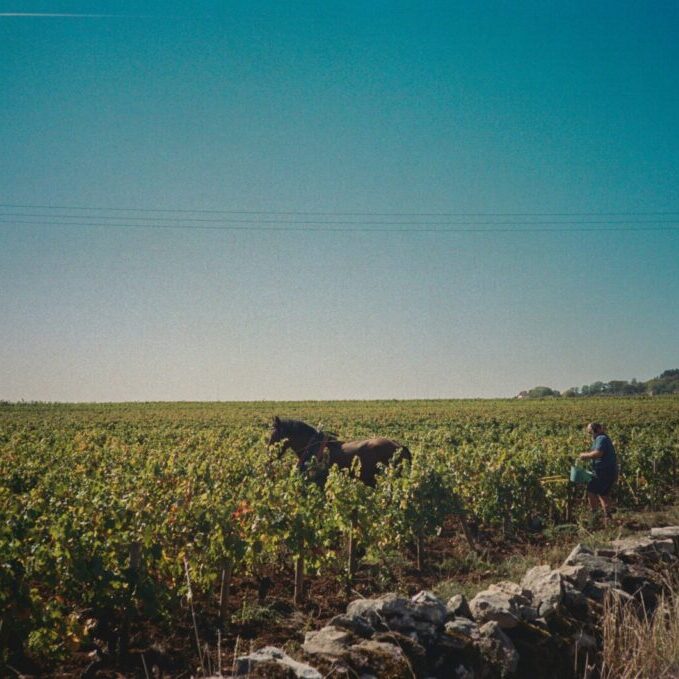
September 2026 Bottle Club

This month’s Bottle Club takes us from the Atlantic coast of France to Bourgogne, Piemonte, and Rioja. It’s full of wines that are easy to enjoy.
Cheers,
Michelle
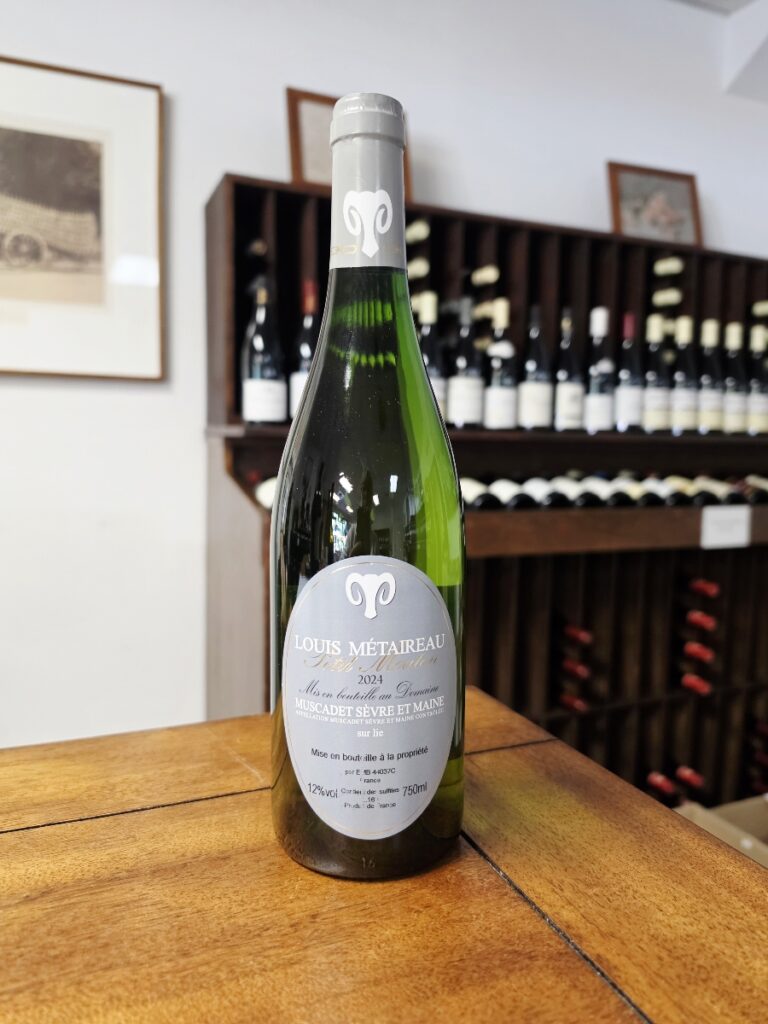
Louis Métaireau Petit Mouton Muscadet Sèvre et Maine Sur Lie 2024
Loire Valley, FranceMelon de Bourgogne
If you love crisp, refreshing whites, start here. Muscadet comes from the western end of the Loire Valley, close to the Atlantic, and is made from the Melon de Bourgogne grape. Petit Mouton is fresh, clean, and lively, with citrus, mineral notes, and a bright finish.
“Sur lie” means the wine spends time resting on its lees after fermentation. This can add a little extra texture and roundness while keeping all that wonderful freshness. Louis Métaireau’s estate sits in the heart of Muscadet Sèvre et Maine, where its vines grow in a distinctive mix of gneiss, garnet, and amphibolite.
What to eat: Oysters are the classic choice, but this is also great with mussels, clams, shrimp, sushi, fish tacos, or a simple piece of grilled white fish.
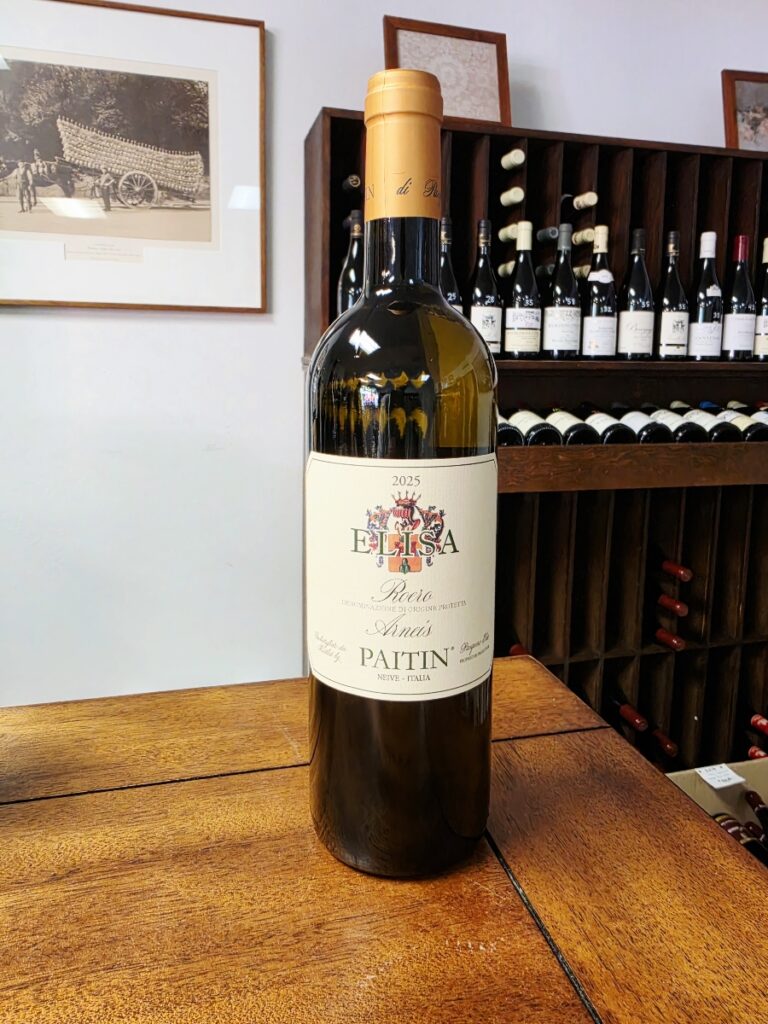
Paitin Roero Arneis Elisa 2025
Piedmont, Italy
Arneis
Arneis is one of Piedmont’s great native white grapes, and this is a particularly special example. Paitin makes Elisa from a single vineyard in Priocca in the Roero. The vineyard takes its name from Elisa Elia, who managed the family winery during World War II. The first vintage carrying her name was produced in 1973, the year she died.
The wine is 100% Arneis and spends six months on its lees. Expect a fresh, aromatic white with lovely texture. The vineyard is farmed organically, and the grapes are harvested by hand.
What to eat: Try it with pesto pasta, grilled prawns, roast chicken, fresh cheeses, risotto, or a big summer salad with herbs and vegetables.
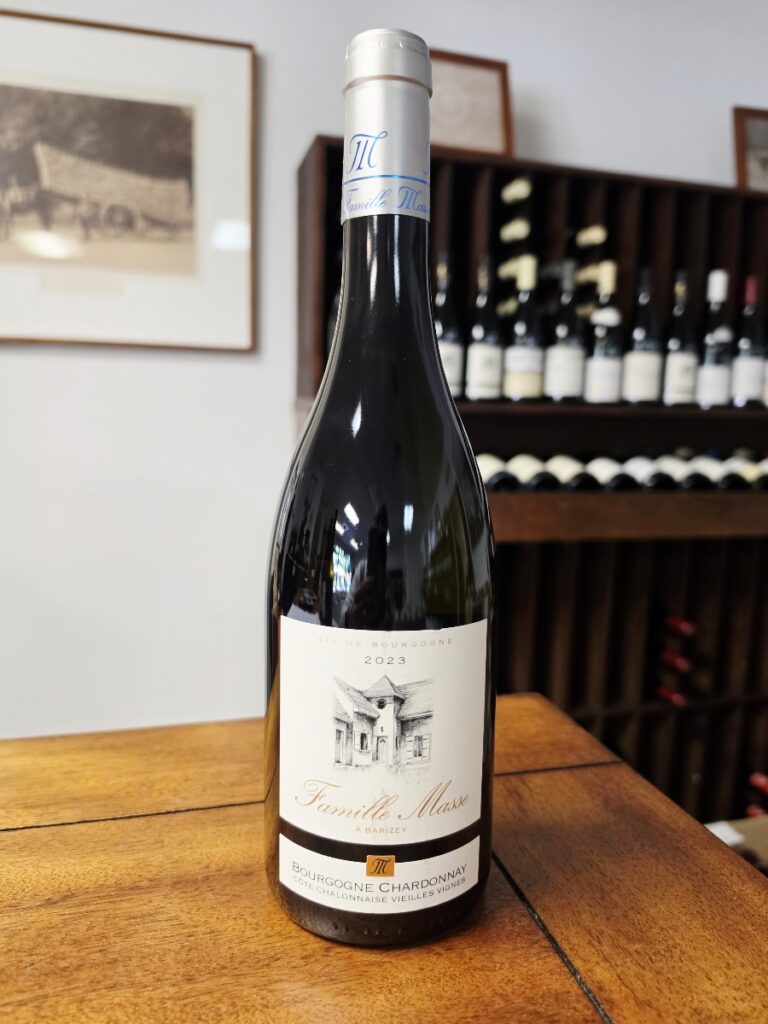
Famille Masse Bourgogne Côte Chalonnaise Chardonnay 2024
Bourgogne, France
Chardonnay
Here is a great reminder that there is much more to Bourgogne Blanc than the famous villages of the Côte d’Or. The Côte Chalonnaise sits farther south and can produce terrific Chardonnay with freshness, fruit, and that unmistakable Bourgogne character.
The Masse family has remarkably deep roots in Bourgogne. Their winegrowing history dates to 1595, and the domaine itself was established at the end of the 19th century. Today it is run by Fabrice Masse.
This is the kind of Chardonnay that is incredible. Think fresh fruit, citrus, gentle richness, and mineral notes rather than a big, buttery style.
What to eat: Roast chicken, salmon, crab cakes, scallops, creamy pasta, or soft cheeses. It is also an easy bottle to put out with appetizers.
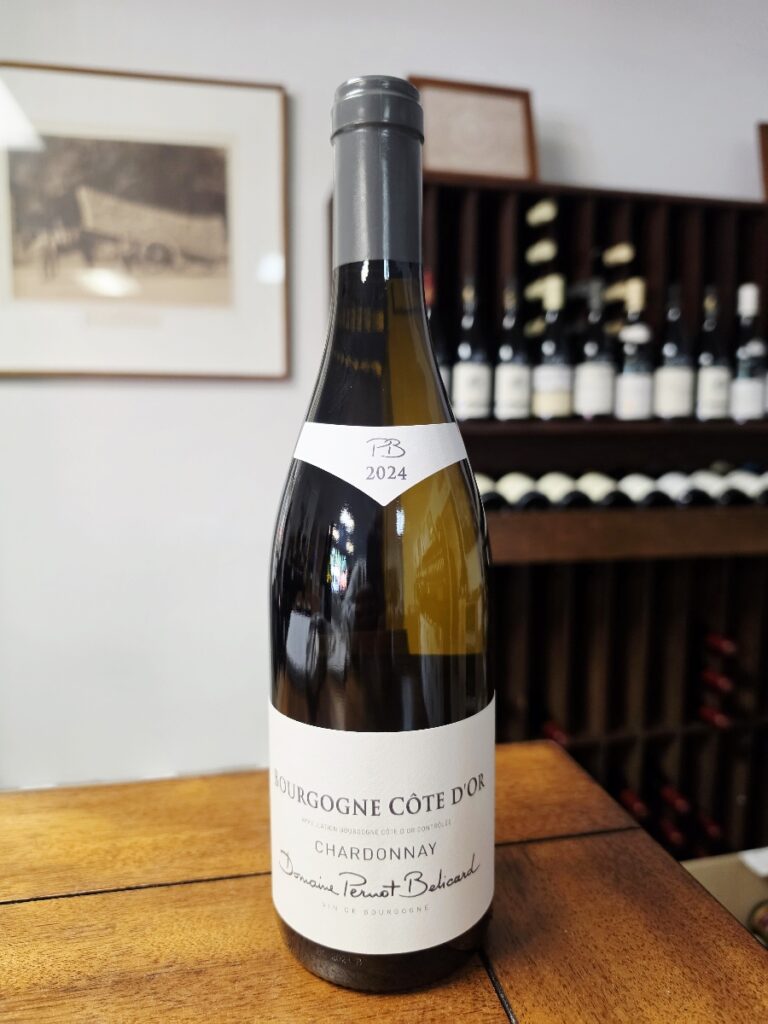
Domaine Pernot Belicard Bourgogne Blanc Côte d’Or 2024
Bourgogne, France
Chardonnay
Philippe Pernot comes from a family with generations of history in Puligny Montrachet. After marrying into the Belicard family, he relaunched the estate as Domaine Pernot Belicard in 2009. Today the domaine farms about six hectares, including some very impressive vineyard holdings.
This Bourgogne Blanc is 100% Chardonnay and comes from eight different parcels totaling about 2.4 hectares. Some of the vines date back to 1960. The 2024 was fermented in oak and aged for 10 months in barrels of different sizes, with only about 15% new oak, followed by additional time in stainless steel.
The result is a Bourgogne Blanc with freshness and polish, but also enough texture to make it feel like something special.
What to eat: Roast chicken, seared scallops, halibut, crab, creamy mushroom pasta, or Brie and other soft cheeses.
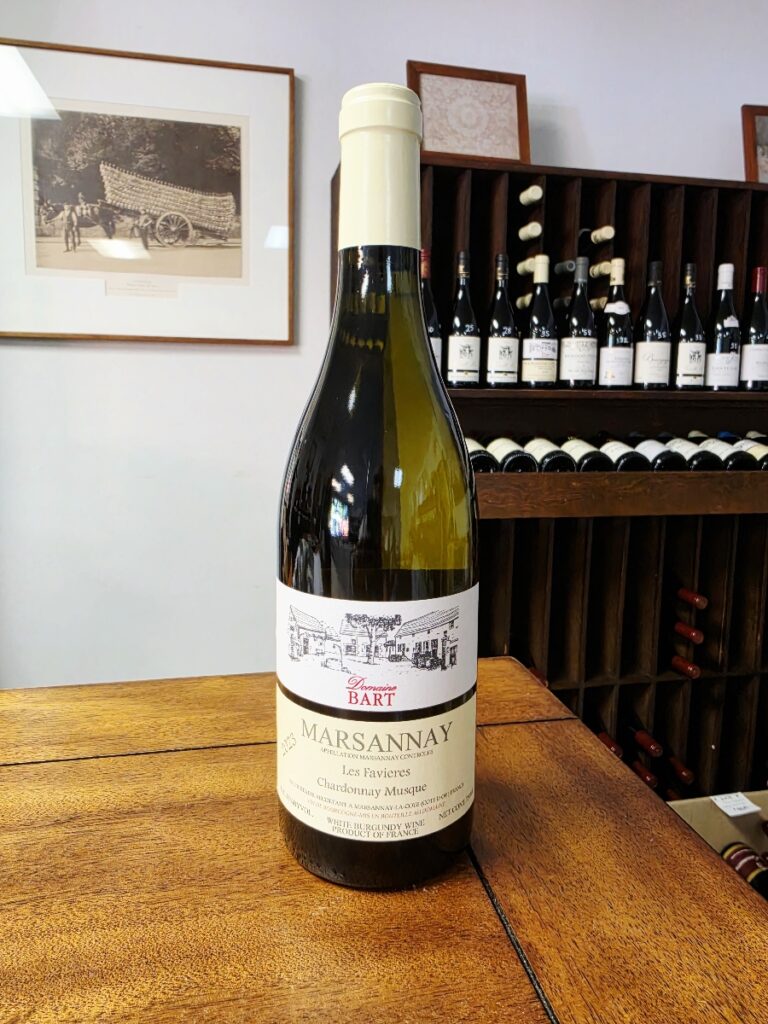
Domaine Bart Marsannay Blanc Les Favières 2023
Bourgogne, France
Chardonnay
Marsannay sits at the northern end of Bourgogne’s Côte de Nuits. The area may be better known for Pinot Noir, but its whites can be fantastic.
Domaine Bart’s Les Favières comes from clay and limestone soils rich in marl. The wine is Chardonnay, fermented with indigenous yeasts and aged on its lees in a combination of oak and tank. It is a fresh, mineral style of Bourgogne Blanc with citrus and orchard fruit, along with subtle floral and nutty notes.
What to eat: Grilled fish, roast chicken, goat cheese, scallops, or a creamy vegetable gratin.
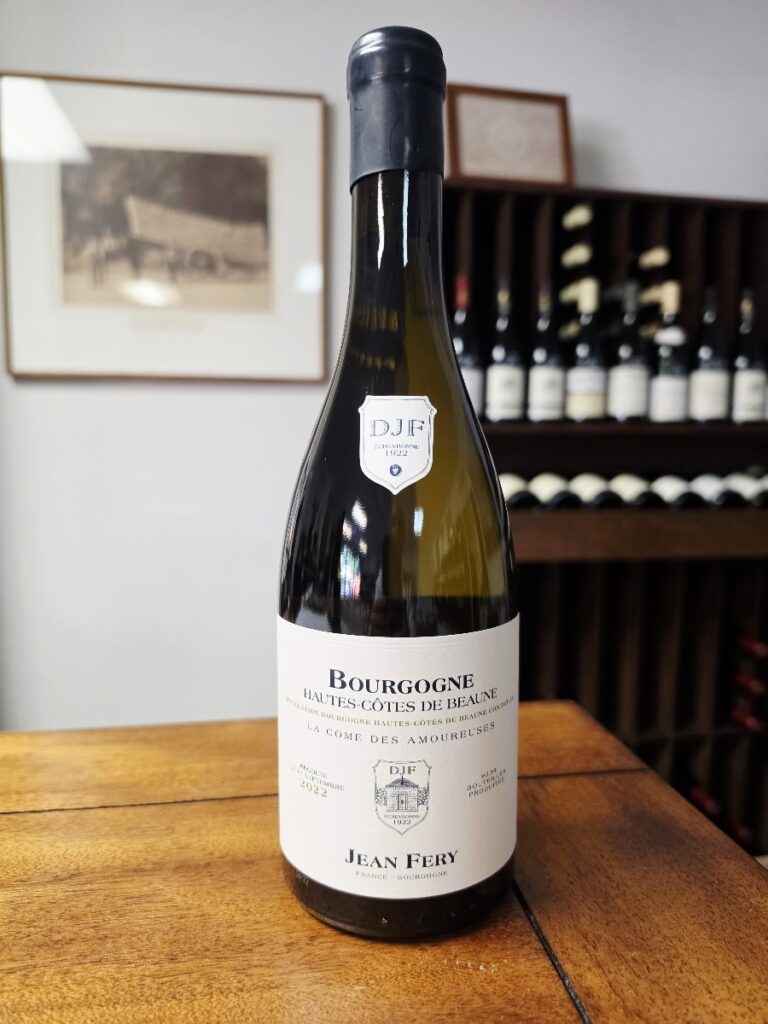
Domaine Jean Fery Hautes-Côtes de Beaune Blanc La Come des Amoureuses 2022
Bourogne, France
Chardonnay
The Hautes-Côtes de Beaune sits above the better known vineyards of the Côte de Beaune. Higher elevations can bring cooler conditions and wonderful freshness to Chardonnay.
La Come des Amoureuses comes from steep, south facing slopes at about 360 meters in elevation. Domaine Jean Fery has been certified organic since 2011, and this Chardonnay combines ripe orchard fruit and a little richness with a fresh, mineral finish.
This is a lovely bottle for anyone who enjoys Bourgogne Blanc with a little more body but still wants plenty of energy and freshness.
What to eat: Roast chicken, pork tenderloin, salmon, creamy seafood dishes, mushroom risotto, or aged cheeses.
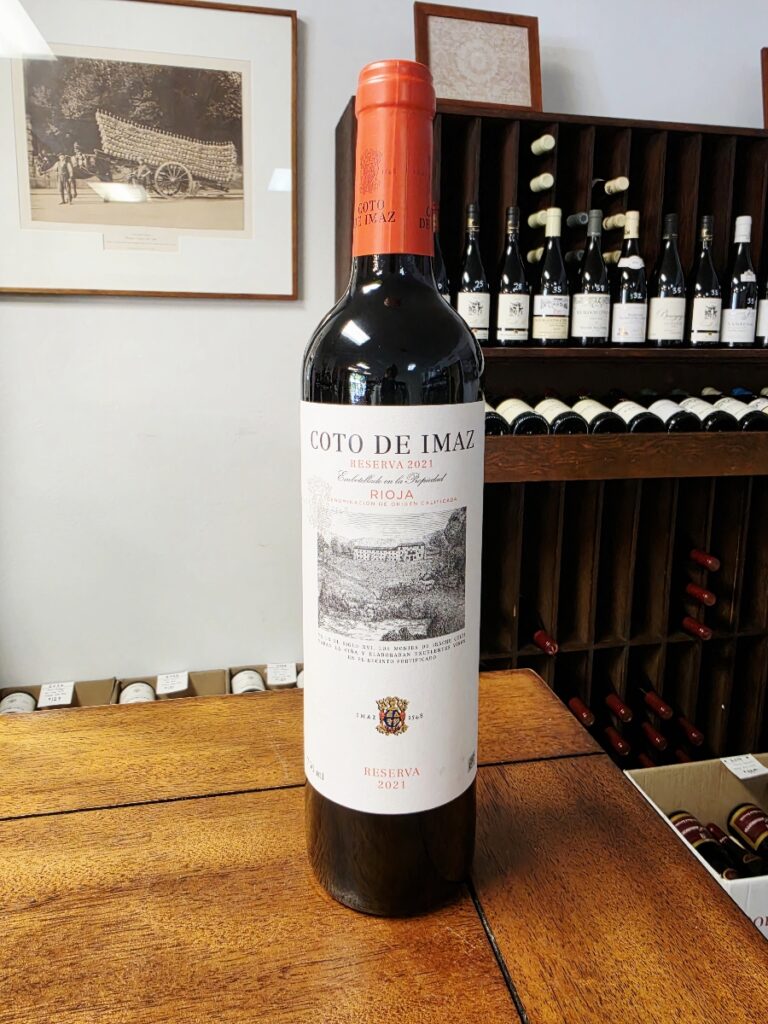
El Coto de Imaz Reserva Rioja 2021
Rioja, Spain
Tempranillo
If you want a classic dinner wine, Rioja Reserva is hard to beat. The 2021 Coto de Imaz Reserva is 100% Tempranillo and spent 18 months in oak. It combines ripe dark fruit and cherry with smooth tannins and the savory character that makes aged Rioja so good with food.
“Reserva” is more than just a name in Rioja. It is a legally regulated aging category, so when you see it on the label, you know the wine has already spent significant time aging before release.
What to eat: Lamb chops, roast pork, grilled steak, burg
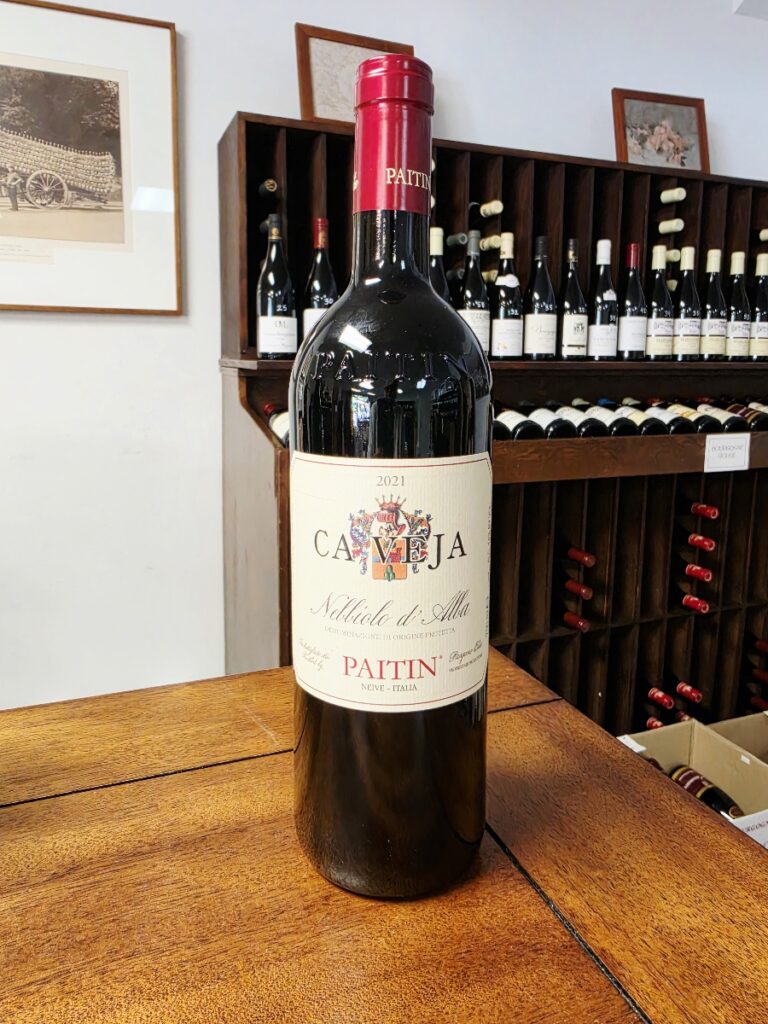
Paitin Nebbiolo d’Alba Ca Veja 2021
Piemonte, Italia
Nebbiolo
Ca Veja is a small hamlet south of Alba, and the vineyard is connected to a building dating to the 16th century. Paitin describes the site as historically known for Nebbiolo with an austere character. The wine is 100% Nebbiolo and spends about a year and a half in large, well seasoned Slavonian oak barrels rather than small new barrels.
That lets Nebbiolo itself stay front and center. Look for red fruit, floral notes, spice, freshness, and the grape’s signature tannin.
What to eat: Mushroom risotto, braised beef, roast pork, truffle pasta, sausage, or a big plate of pasta with ragù. This is also a great pizza wine.
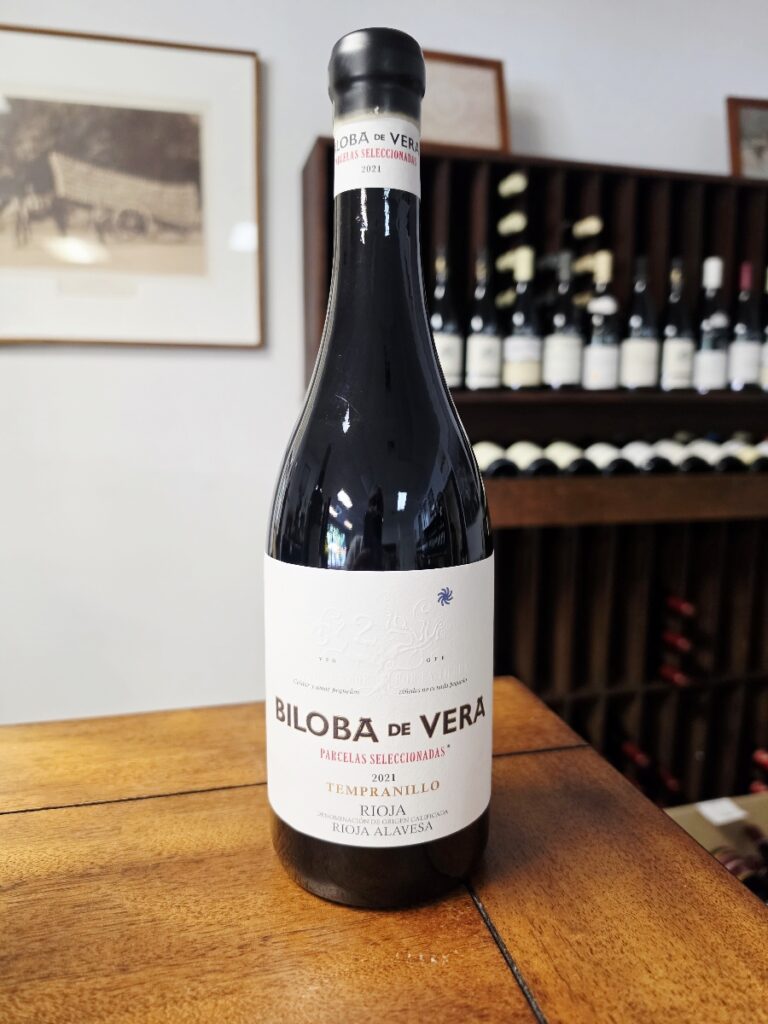
Biloba de Vera Rioja Tempranillo 2021
Rioja Alavesa, Spain
Tempranillo
Here is a different take on Rioja. Biloba de Vera comes from selected Tempranillo vineyards around Laguardia in Rioja Alavesa and spends 15 months in French oak. The emphasis is still very much on the fruit, with black plum, blueberry, raspberry, spice, wild herbs, and balsamic notes supported by bright acidity.
It is a nice bottle to taste alongside the Coto de Imaz. Same grape and same larger region, but a different approach and personality.
What to eat: Grilled lamb, pork chops, steak, chorizo, roasted peppers, burgers, or aged sheep’s milk cheese.
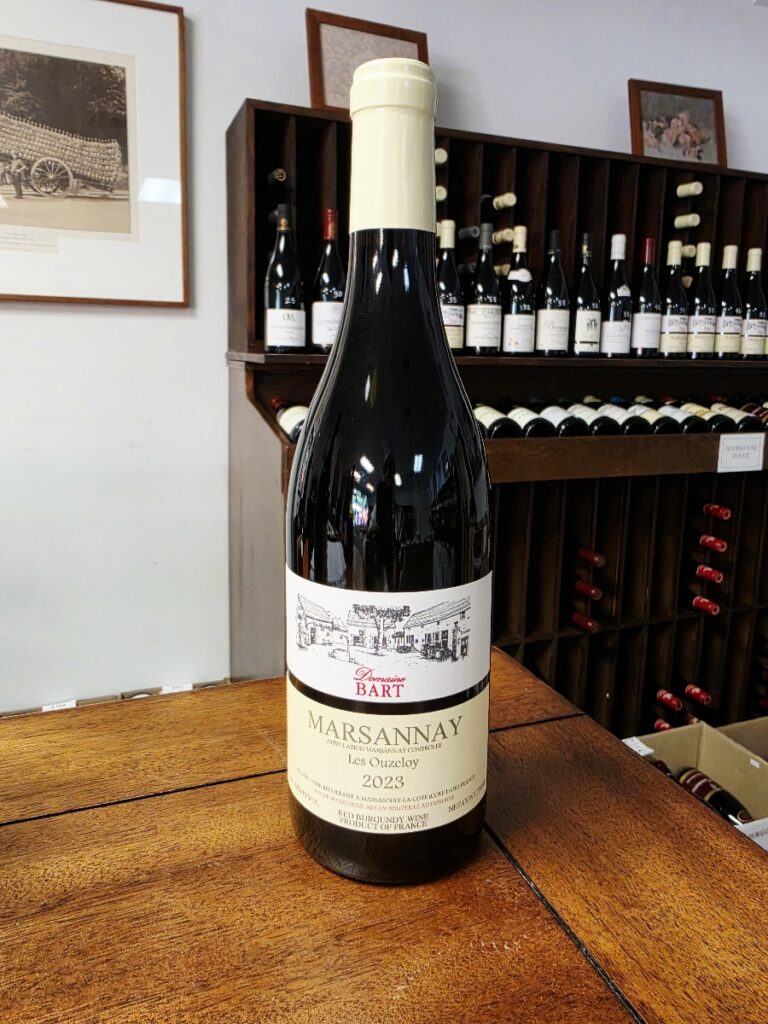
Domaine Bart Marsannay Les Ouzeloy 2023
Bourgogne, France
Pinot Noir
Back to Marsannay, this time for Pinot Noir.
Les Ouzeloy comes from sandy soils and is 100% Pinot Noir. Domaine Bart uses very little new oak here, about 5%, allowing the fruit and vineyard to do most of the talking. The 2023 shows fresh red and dark fruit, floral and spice notes, fine tannins, and plenty of energy.
Marsannay is an especially fun place to explore Bourgogne because it sits at the northern gateway to the Côte de Nuits, home to some of the most famous Pinot Noir vineyards in the world.
What to eat: Roast chicken, pork tenderloin, duck, mushrooms, salmon, or a simple roast with potatoes and herbs. Give this one a slight chill if you like your Pinot Noir especially fresh.
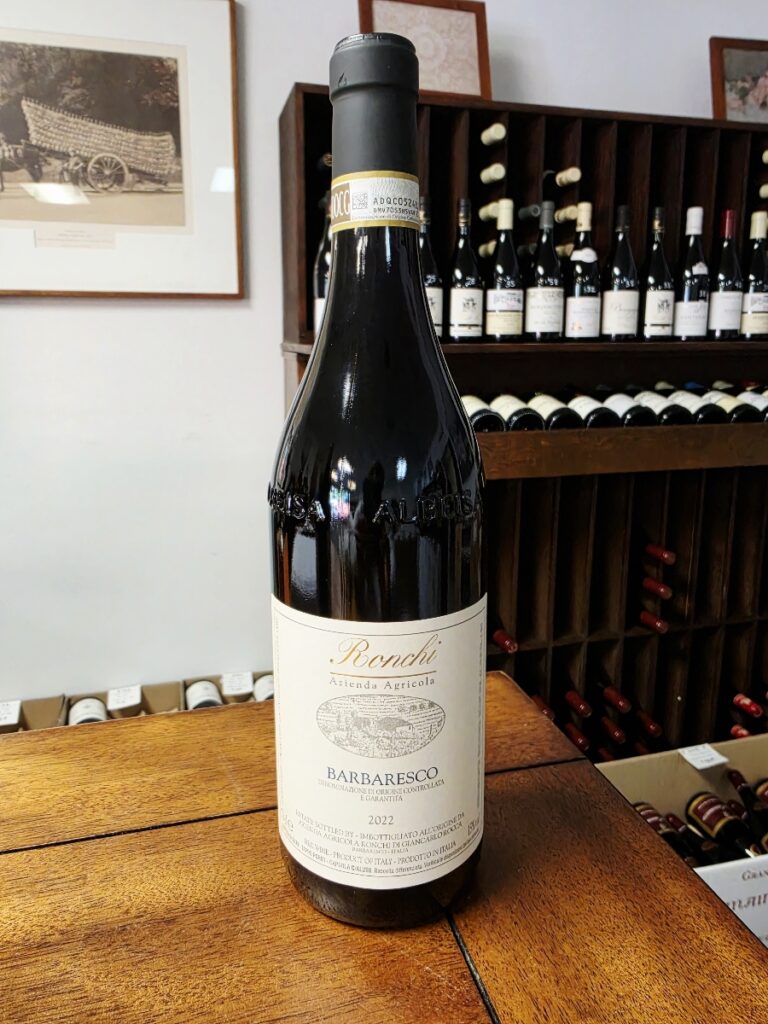
Ronchi di Giancarlo Rocca Barbaresco 2022
Piemonte, Italia
Nebbiolo
We finish with Barbaresco, one of Piemonte’s great Nebbiolo wines.
Ronchi is a tiny family estate with just four hectares of vineyards and a history stretching back four generations. Giancarlo Rocca has led the estate since 1996 and has put a strong emphasis on protecting the health and natural balance of the vineyards. The estate produces only about 23,500 bottles across its wines, making this a genuinely small production property.
Barbaresco is made from Nebbiolo, a grape famous for its combination of perfume, freshness, structure, and tannin. It is one of those wines that can seem delicate and powerful at the same time.
What to eat: Braised beef, short ribs, mushroom or truffle risotto, roast lamb, wild mushrooms, or aged cheeses. If you are opening it now, give it some time in the glass or decanter and watch it change as you drink it.
All featured wines are a part of our wine club where our members receive new and exclusive bottles each month as well as a in-store discounts at higher levels