
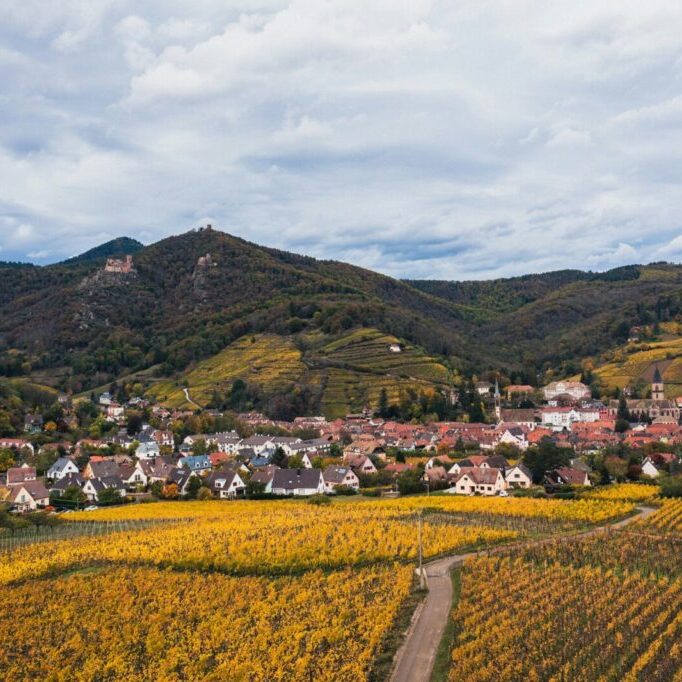
October 2026 Bottle Club

This month’s Bottle Club has a little bit of everything. We have some really interesting whites, including a dry Moscatel from the steep hills of southern Spain, Chardonnay from Beaujolais and Bourgogne, and a Palomino from Cádiz. Then we move into reds from Spain and Italy, finishing with a beautifully mature 2008 Nebbiolo from Roero.
I really like the mix this month. There are some familiar grapes here, but quite a few surprises too. There are wines that are easy to open on a Tuesday night and a few bottles that deserve a slower dinner. I hope you have fun opening these and finding a few new favorites.
Cheers,
Michelle
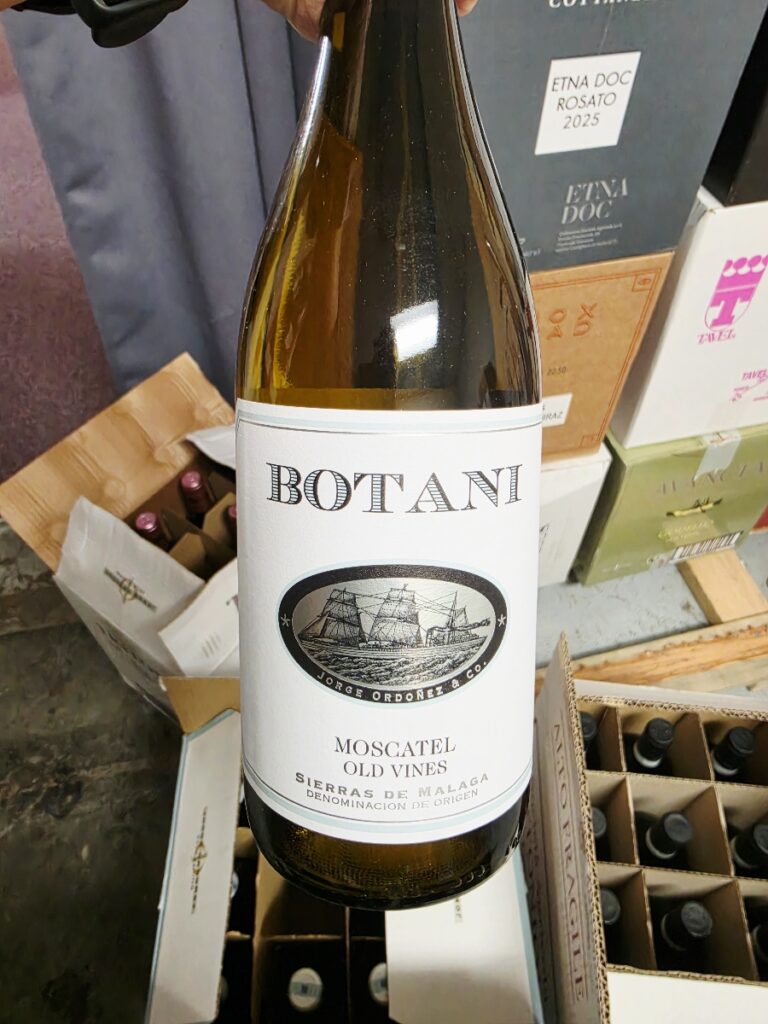
Botani Moscatel Old Vines 2023
Sierras de Málaga, Spain
100% Moscatel de Alejandría
First things first: this is dry Moscatel, not a sweet wine.
Botani comes from old Moscatel vines growing on incredibly steep, unterraced hillsides in the Axarquía area of Málaga. Some slopes reach around 70 degrees, which means the vineyards have to be worked by hand. The vines grow in slate and quartz soils, and the wine is fermented with native yeasts in stainless steel and aged on its lees.
It’s fragrant and lively, with flowers, citrus and stone fruit, but it finishes fresh and dry. This is a really fun bottle if you love aromatic whites but don’t necessarily want sweetness.
What to eat: Shrimp, ceviche, sushi, Thai food, grilled fish or salty snacks like olives and Marcona almonds.
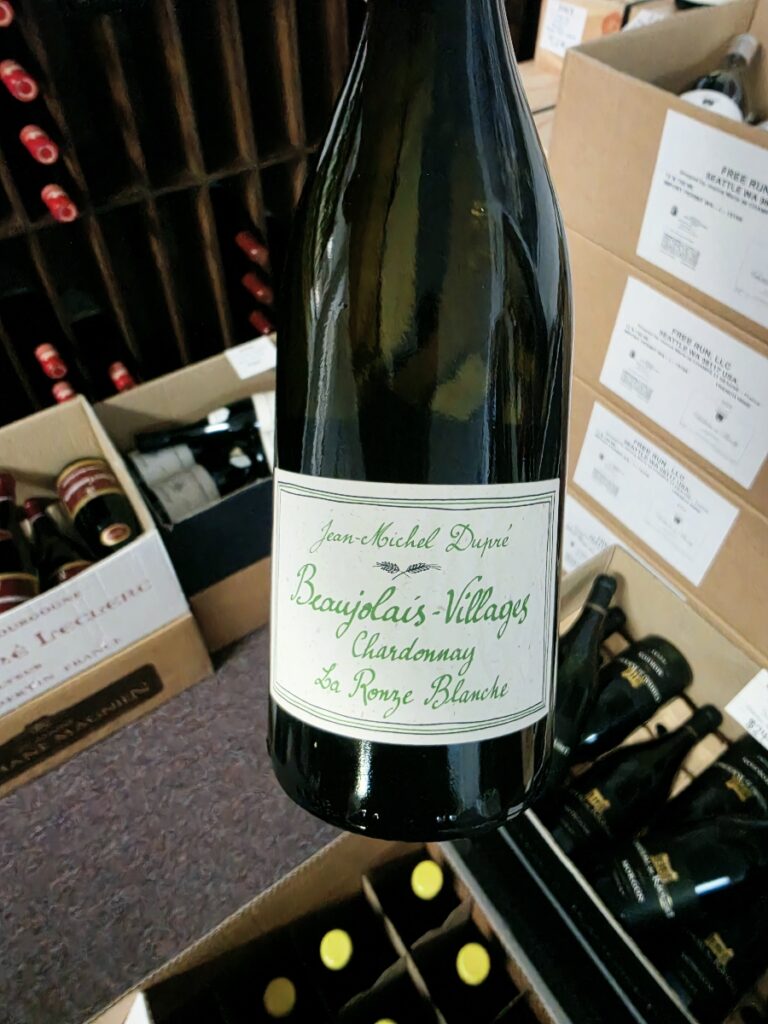
Jean-Michel Dupré Beaujolais-Villages Chardonnay La Ronze Blanche 2024
Beaujolais, France
Chardonnay
We usually think of Gamay when we think of Beaujolais, so Chardonnay from this part of France is always fun to share.
It’s a fresh, easygoing style of Chardonnay that lets the fruit come through without feeling heavy.
This is the kind of white we love having around because it doesn’t need a special occasion. Chill it, open it and enjoy.
What to eat: Roast chicken, trout, shellfish, goat cheese, creamy vegetable dishes or a simple cheese and charcuterie board.
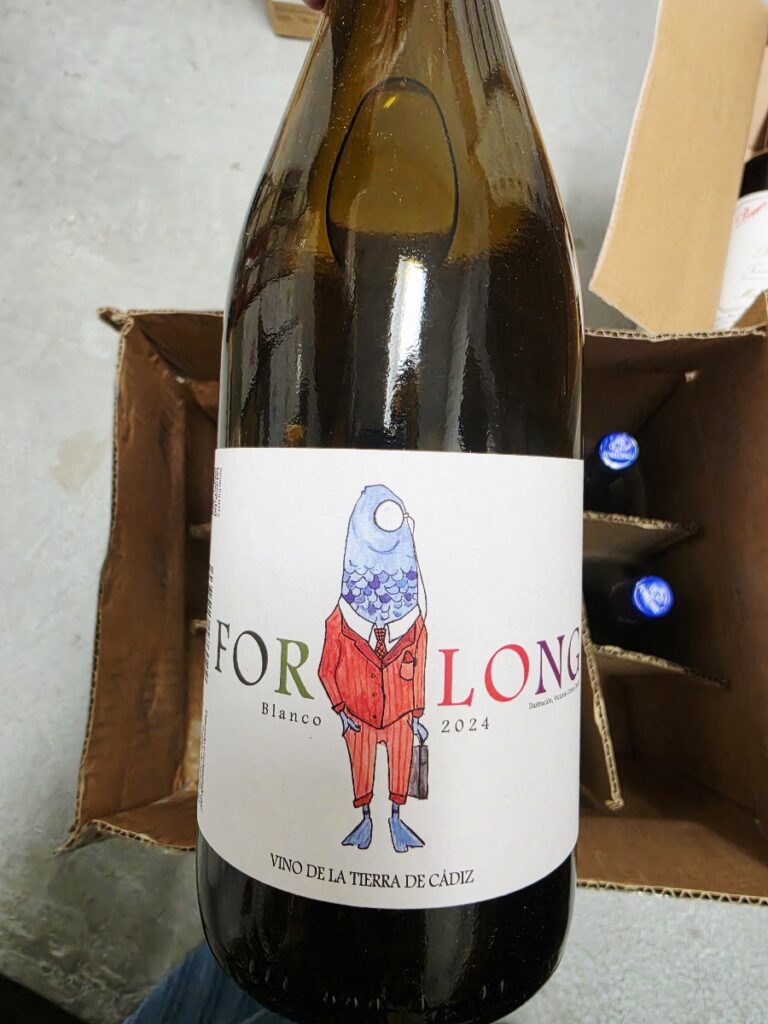
Forlong Blanco 2024
Cádiz, Spain
Palomino
Here’s another grape that may surprise you. Palomino is the grape most associated with Sherry, but Forlong uses it to make a dry, unfortified white wine.
The 2024 comes from Palomino grown in the chalky soils of Cádiz. It was fermented in stainless steel and bottled without oak aging. The vintage had more rain than the preceding dry years, along with a mild summer and a later harvest.
The result is fresh, balanced and savory. If you like crisp whites with a little salty, mineral character, this is one to try.
What to eat: Oysters, fried fish, grilled prawns, anchovies, olives, almonds or just about anything from a tapas spread.
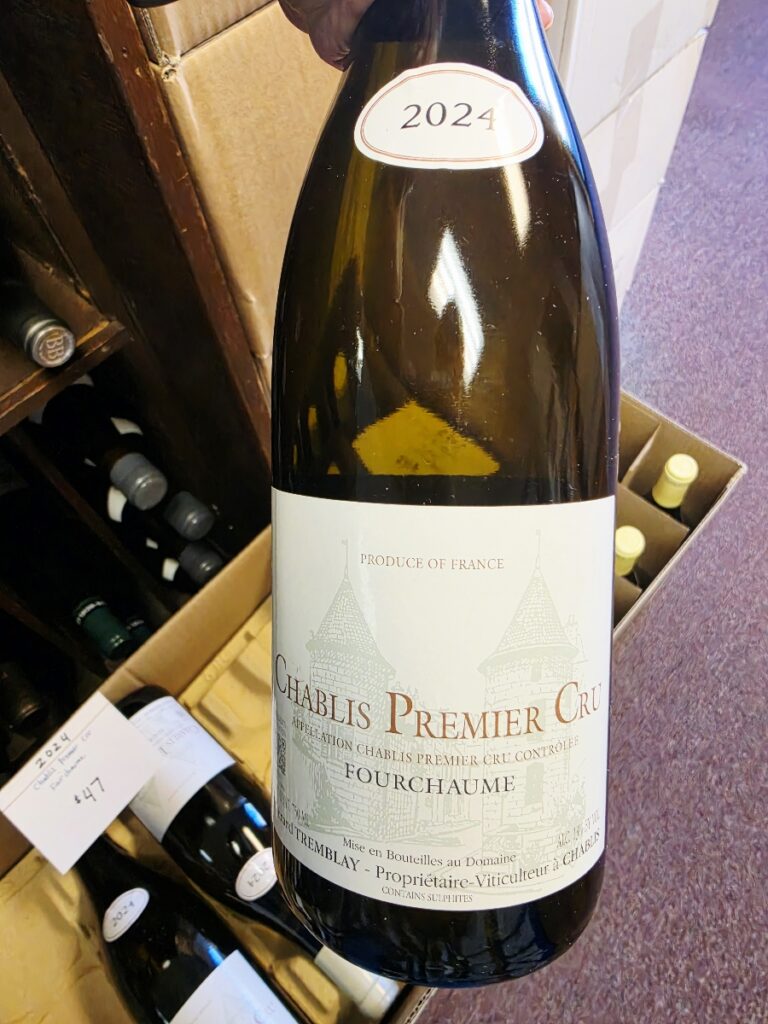
Domaine Gérard Tremblay Chablis Premier Cru Fourchaume 2024
Chablis, France
Chardonnay
Now we’re into classic Chablis.
Fourchaume is one of the well-known Premier Cru vineyards of Chablis. Domaine Gérard Tremblay is a fifth-generation family estate, now run by Gérard and Hélène Tremblay’s children, Vincent and Eléonore. The family farms more than 37 hectares, including 10 hectares of Premier Cru vineyards.
Their Fourchaume shows the richer side of Chablis while still keeping the freshness we want from the region. This Fourchaume is tasting of honey and white flowers.
This is a bottle we’d happily put on the table for a nice dinner.
What to eat: Scallops, halibut, lobster, roast chicken or fish in a butter or cream sauce.

Domaine Lafouge Auxey-Duresses Les Boutonniers 2023
Bourgogne, France
Chardonnay
Domaine Lafouge is a small family estate in Auxey-Duresses, just west of Meursault. The Lafouge family has been in the village since the late 1600s, and today the domaine is run by the family across multiple generations.
Les Boutonniers is 100% Chardonnay. The vineyard has very shallow limestone-rich soil and a cool exposure. The 2023 was fermented and aged in barrel, with 20% new oak.
It’s fresh and mineral but still has enough richness to remind you that you’re drinking Bourgogne blanc. Look for apple and pear, white flowers and a little nuttiness.
What to eat: Roast chicken, scallops, trout, mushroom risotto, creamy pasta or Comté.
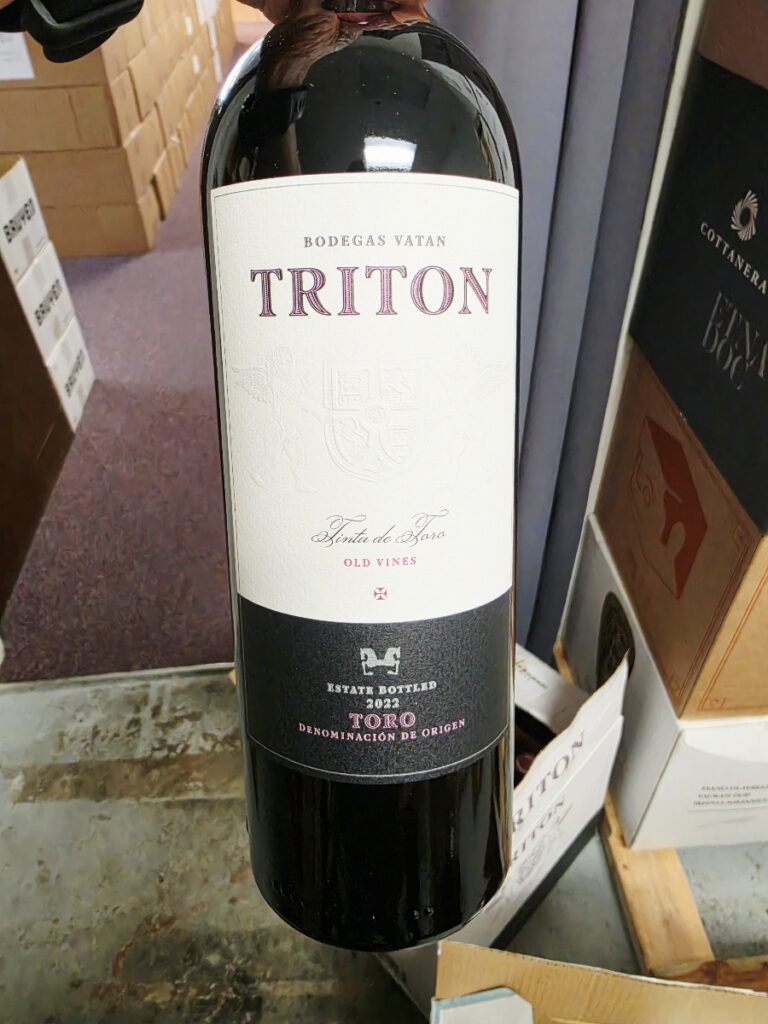
Triton Tinta de Toro 2022
Toro, Spain
100% Tinta de Toro
Time for the reds.
Tinta de Toro is the local name for the Tempranillo grown in Toro, and this one comes from old, ungrafted vines. That’s especially interesting because ungrafted vines are increasingly rare in Europe.
This is definitely a bigger wine. Think black cherry, plum and blackberry with a savory side and plenty of structure. It’s rich without losing its balance.
This is one to save for a cool night and a hearty dinner.
What to eat: Steak, lamb, short ribs, burgers, roasted mushrooms, chorizo or Manchego.
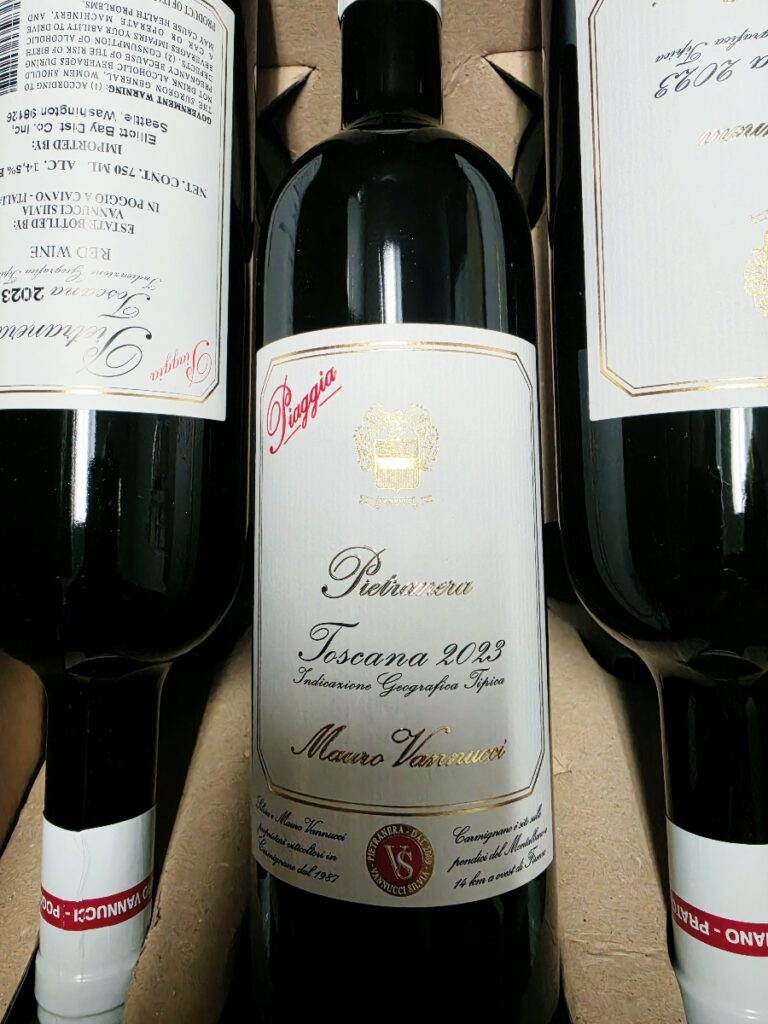
Piaggia Pietranera 2023
Toscana IGT, Italy
80% Sangiovese, 20% Cabernet Franc
This is a great introduction to Piaggia, a family estate in Carmignano, Tuscany.
The grapes are hand harvested, fermented with native yeasts and spend 18 to 20 days on the skins before the wine is aged in French oak. It is bottled without filtration or clarification.
The 80% Sangiovese brings cherry, freshness and that savory Tuscan character, while the 20% Cabernet Franc adds darker fruit and a little more structure. It’s generous and flavorful but still very easy to put on the dinner table.
What to eat: Pizza, lasagna, pasta with ragù, sausage, grilled pork, roast meats or aged Pecorino.
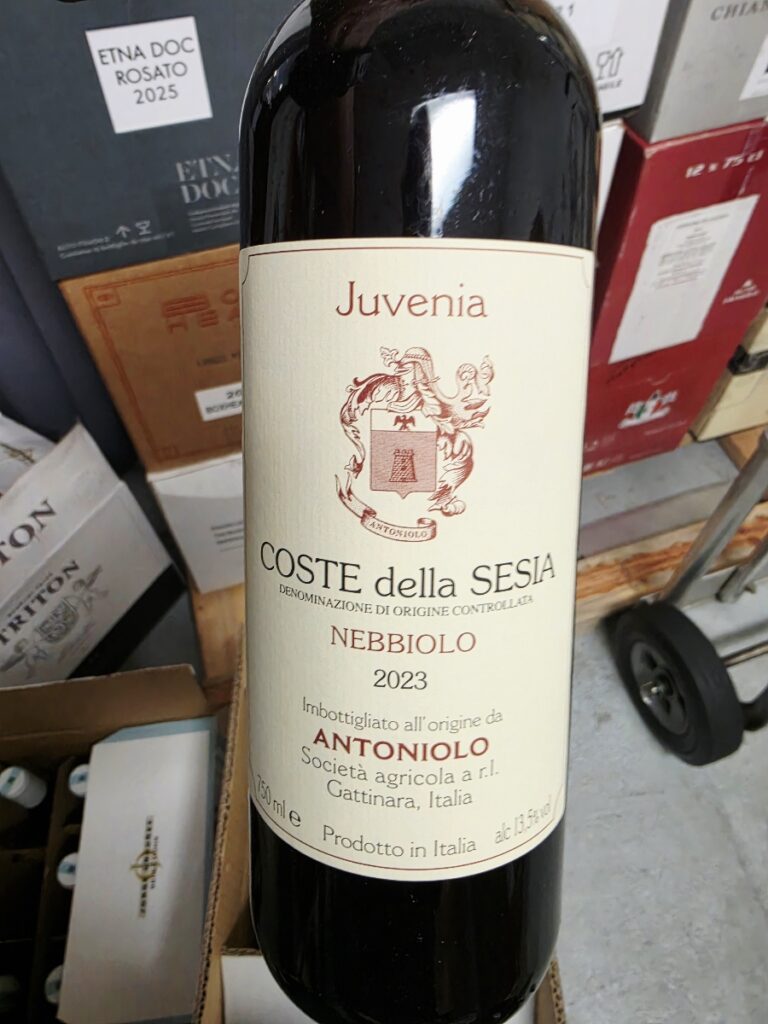
Antoniolo Coste della Sesia Nebbiolo Juvenia 2023
Piemonte, Italy
Nebbiolo
If you love Nebbiolo but don’t always want to wait years for a bottle to come around, Juvenia is a great one to know.
Antoniolo is an important family estate in Gattinara in northern Piemonte. Juvenia gives us a younger, more approachable look at Nebbiolo from this cooler part of the region.
Expect the things we love about Nebbiolo: red fruit, flowers, spice, freshness and that unmistakable tannin, but in a style that’s ready to enjoy now.
What to eat: Mushroom risotto, roast chicken, pork, polenta with mushrooms, braised beef or aged cheese.
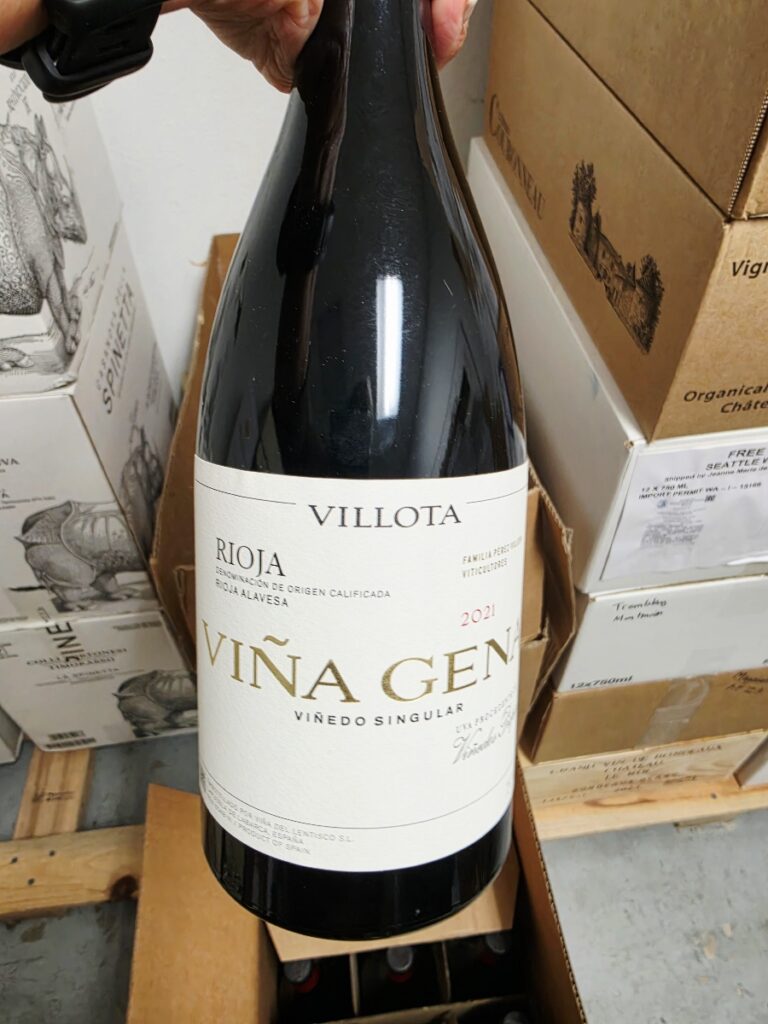
Villota Viña Gena Rioja 2021
Rioja, Spain
Tempranillo
This is a special bottle.
Viña Gena comes from Villota’s old Tempranillo vines in Rioja Alavesa. It’s a single-vineyard wine, giving us a much more specific look at Rioja than the larger regional blends we often see.
It’s polished and elegant, with red and dark fruit, spice and plenty of freshness. There is structure here, but this isn’t about being big or heavy. It’s a Rioja to take your time with.
What to eat: Lamb, roast beef, pork tenderloin, duck, grilled mushrooms or aged sheep’s-milk cheese.
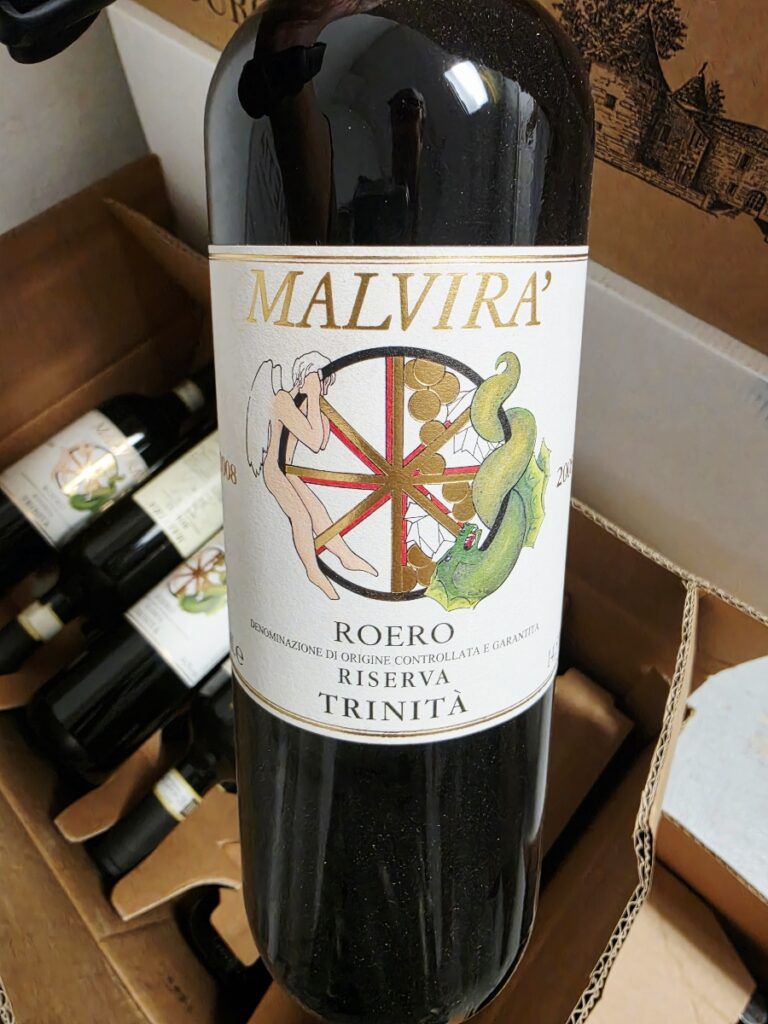
Malvirà Roero Riserva Trinità 2008
Roero, Piemonte, Italy
Nebbiolo
And finally, something with some real age on it.
Malvirà is a family estate in Roero, on the other side of the Tanaro River from Barolo. Trinità is made from Nebbiolo and comes from one of the estate’s important vineyard sites.
The fun here is the vintage: 2008. With that much bottle age, Nebbiolo moves beyond its youthful fruit and starts developing the earthy, savory aromas that make older Nebbiolo so interesting. Think dried flowers, spice and more developed, earthy flavors alongside the remaining fruit.
Because this is an older bottle, taste it before deciding whether to decant. Older wines don’t always need lots of air.
What to eat: Braised beef, osso buco, mushrooms, truffle dishes, risotto, roast lamb or Parmigiano-Reggiano.
All featured wines are a part of our wine club where our members receive new and exclusive bottles each month as well as a in-store discounts at higher levels.